
Reproductive health encompasses the holistic well-being of physical, mental, and social health, not just the absence of illness.
It ensures people can have a fulfilling, safe sex life, and the freedom of choice to decide if, when, and how often to reproduce. Understanding your reproductive health to make informed decisions about your body.
Reproductive Rights in Indiana
In Indiana, abortion is largely banned under state law, with very limited exceptions for life-threatening health risks, fatal fetal anomalies, or pregnancies resulting from rape or incest within early weeks of pregnancy. Most people in the state must travel outside Indiana to access abortion care. State law also includes mandatory counseling, waiting periods, and parental consent requirements for minors. Legal challenges to parts of the ban are ongoing in court.
What’s Allowed:
• Emergency care if the pregnant person’s life or serious physical health is at risk.
• In certain limited cases, abortion may be permitted for rape, incest, or lethal fetal anomalies, but access is highly restricted.
• Contraception (birth control) and other reproductive health care unrelated to abortion remain legal.
What’s Restricted:
• Most abortion care is illegal in Indiana.
• Patients must navigate additional state requirements like ultrasound, waiting periods, and consent rules.
• Telemedicine for abortion drugs is not permitted under current state restrictions.
Family planning is essential to women’s health, stability, and self-determination. When women can decide if, when, and how to grow their families, they are better able to protect their health, pursue educational and career goals, and support their families' well-being.
Access to accurate information, contraception, and supportive care strengthens economic stability, reduces health risks, and empowers women to make choices that align with their lives, values, and futures.
Contraception
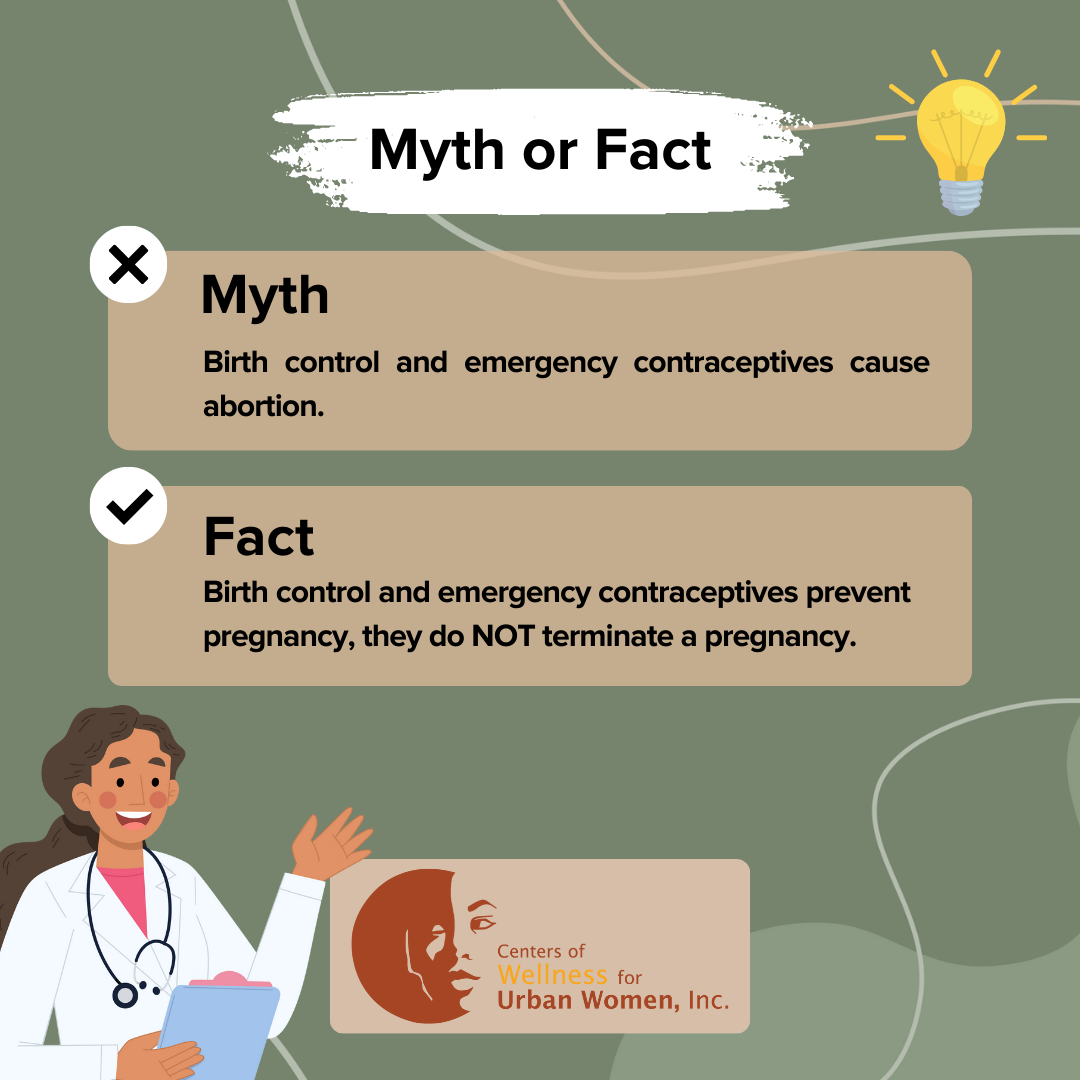
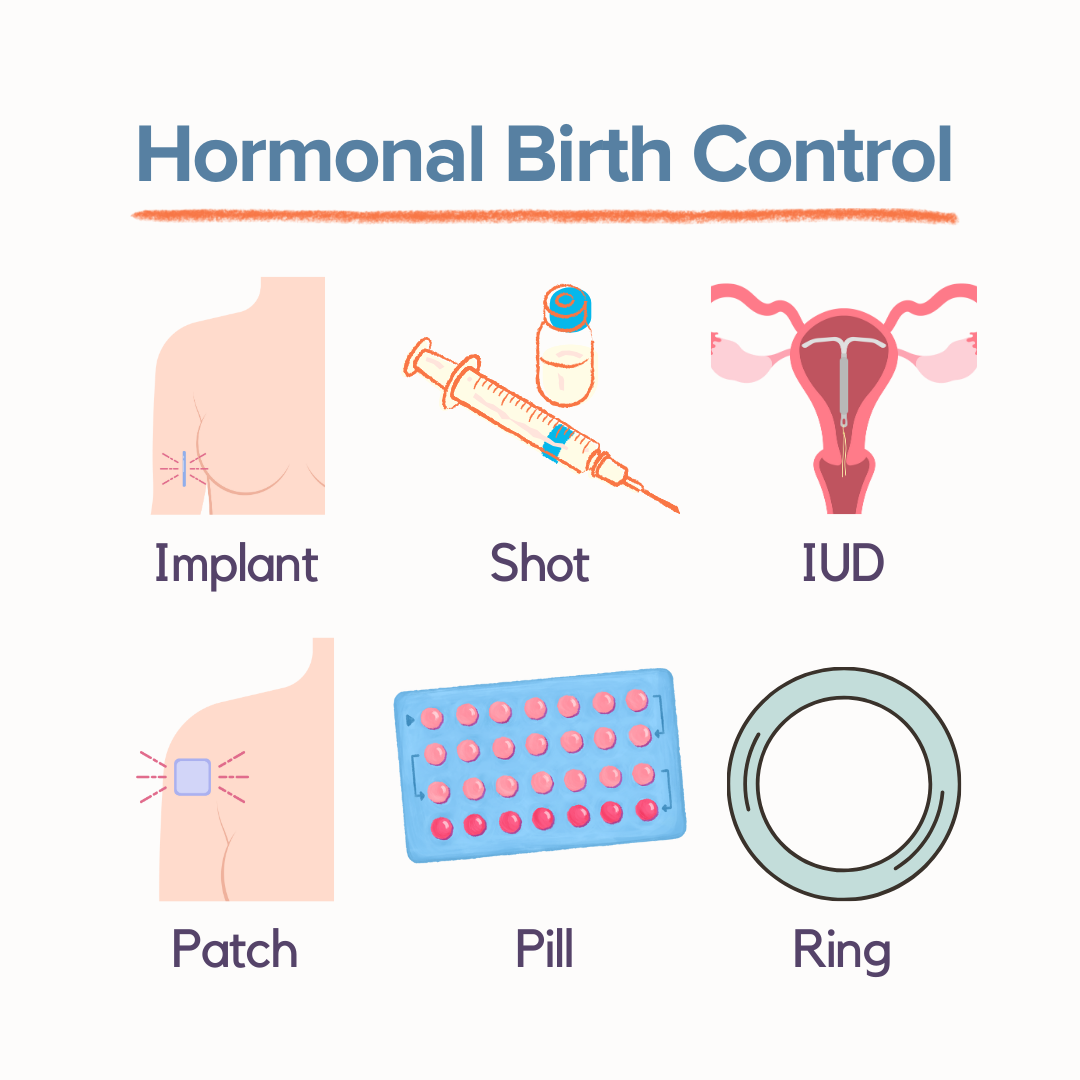
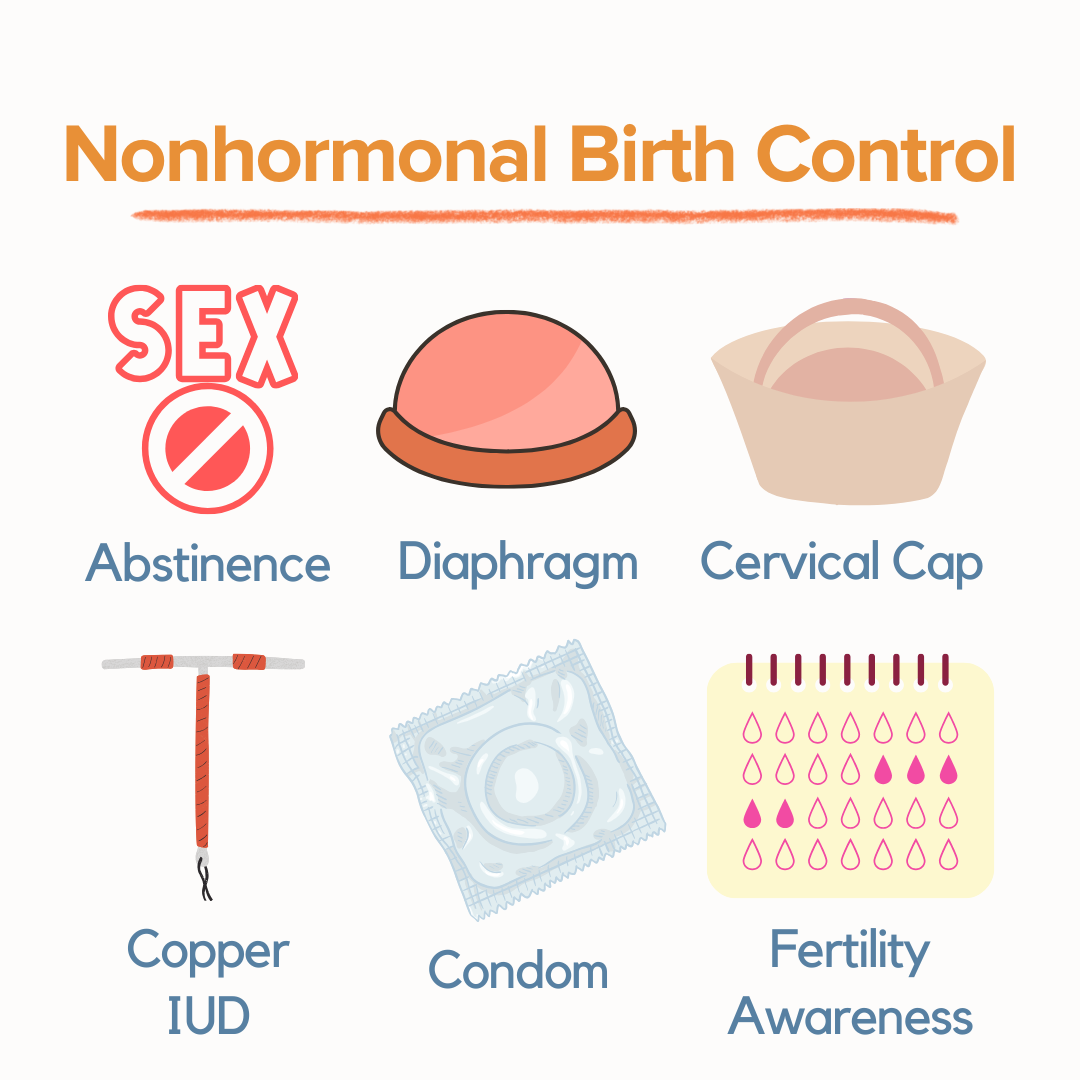
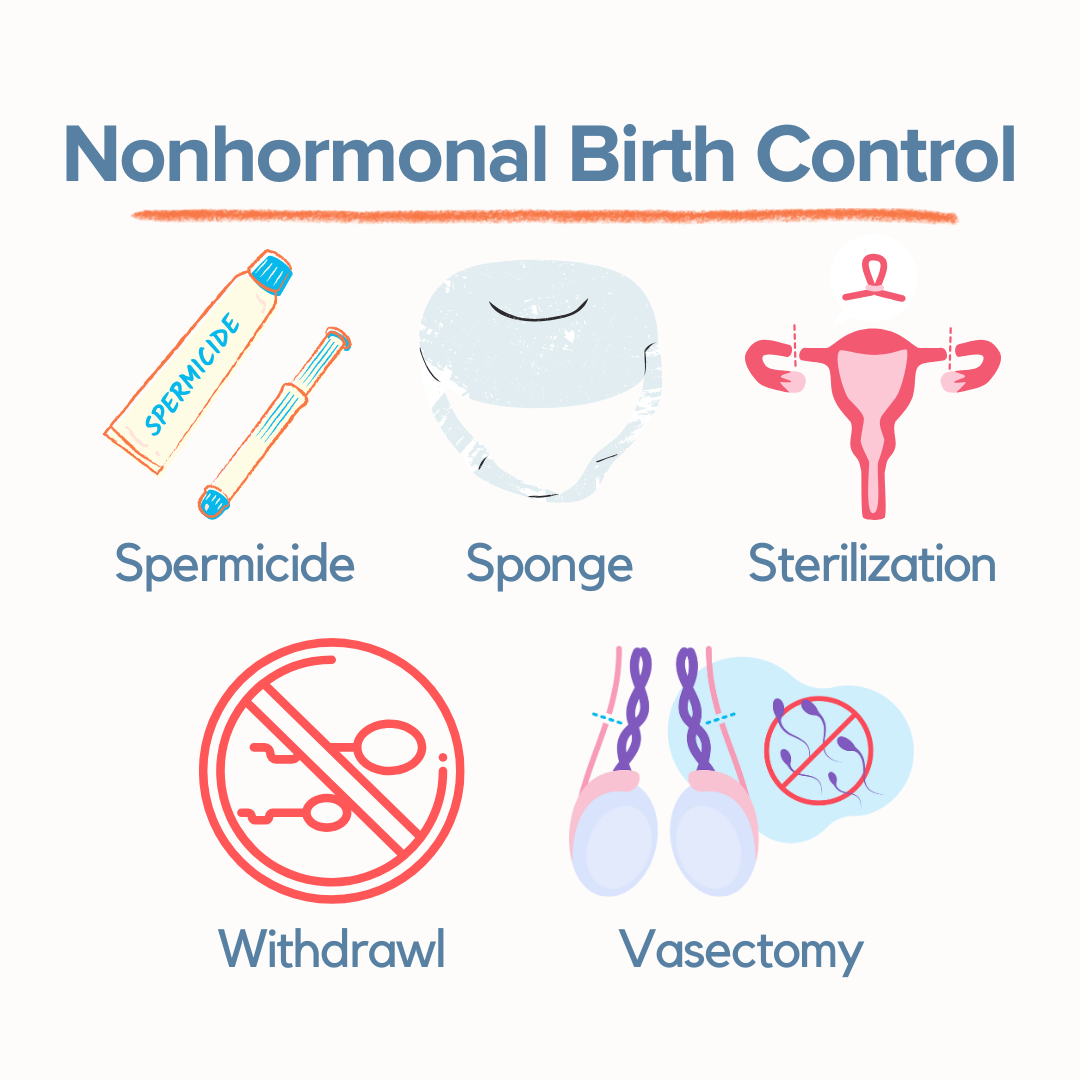
Contraceptives, aka birth control, are medicines, devices, or methods designed to prevent pregnancy.
BIRTH CONTROL - SELF SCREENING
Birth control self-screening is a great tool that can help women understand which type of birth control is best for them.
Women with high blood pressure should avoid birth control with estrogen.
Emergency contraceptives
An emergency contraceptive is a pill used to prevent pregnancy after unprotected sex and must be taken 72 hours after unprotected sex. It should not be used to replace regular birth control.
Be Aware!: Be aware that they can be less effective in individuals who are overweight.
Where to Get Birth Control
There are a variety of places people can get birth control such as online, your healthcare provider, and the pharmacist. Pharmacists can choose not to prescribe people birth control for moral and religious reasons, but do not let this discourage you.
Places to Get Free/Low-Cost Birth Control
Abortion
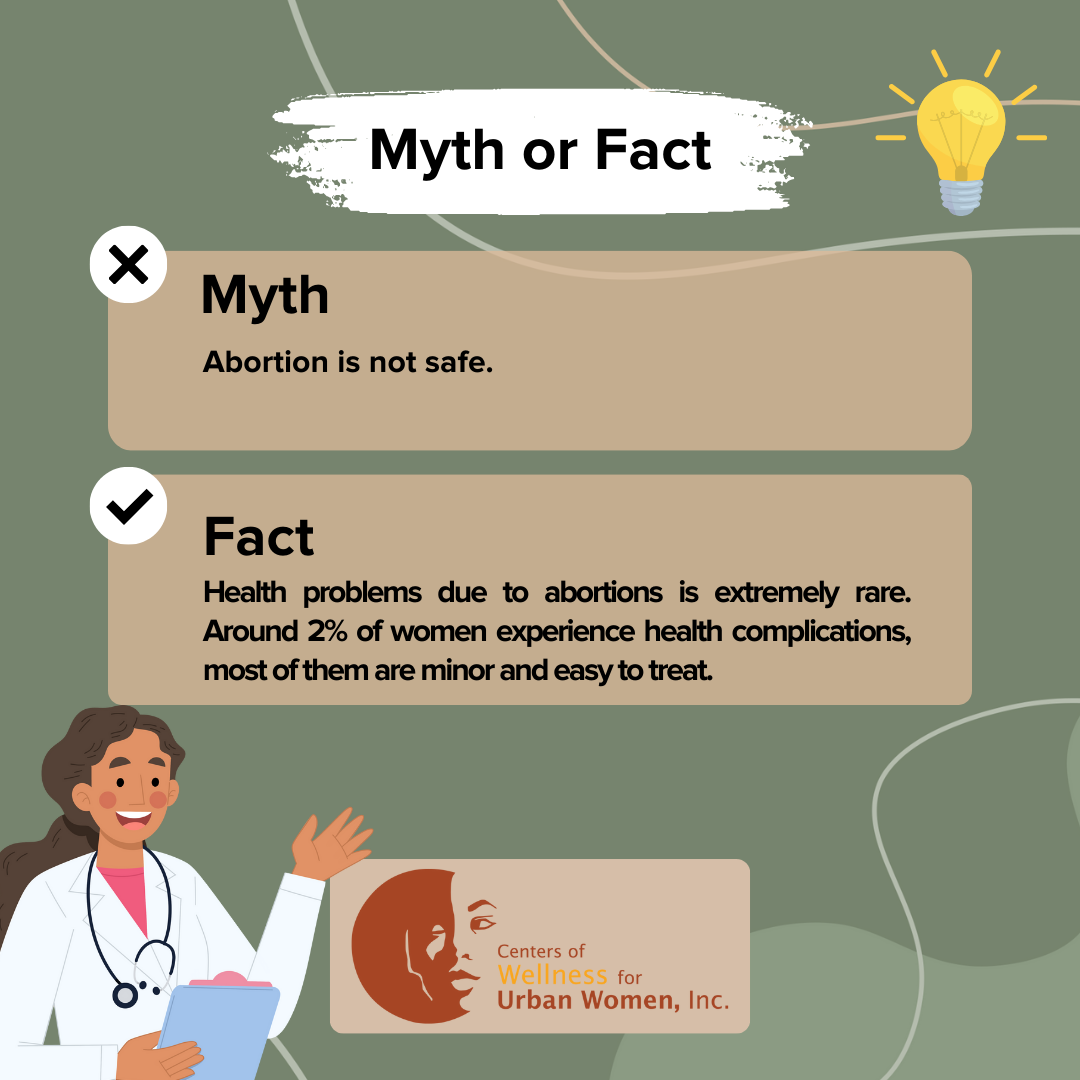
In Indiana, abortion is illegal in most cases. Women can only have an abortion if it’s life-threatening or they became pregnant as a result of rape and/or incest.