Sexual health encompasses holistic well-being of physical, emotional, mental, and social health in relation to sexuality, not just the abstinence of illness or dysfunction. There needs to be a positive and respectful attitude towards sexuality and sexual relationships. It should be a pleasurable and safe experience, without coercion, discrimination, and violence.
Expressing Your Sexuality
Positive sexual experiences incorporate both physical and mental stimulation, free from feelings of fear, guilt, or shame. Be careful and mindful of the images you might use when trying to learn how to have sex.
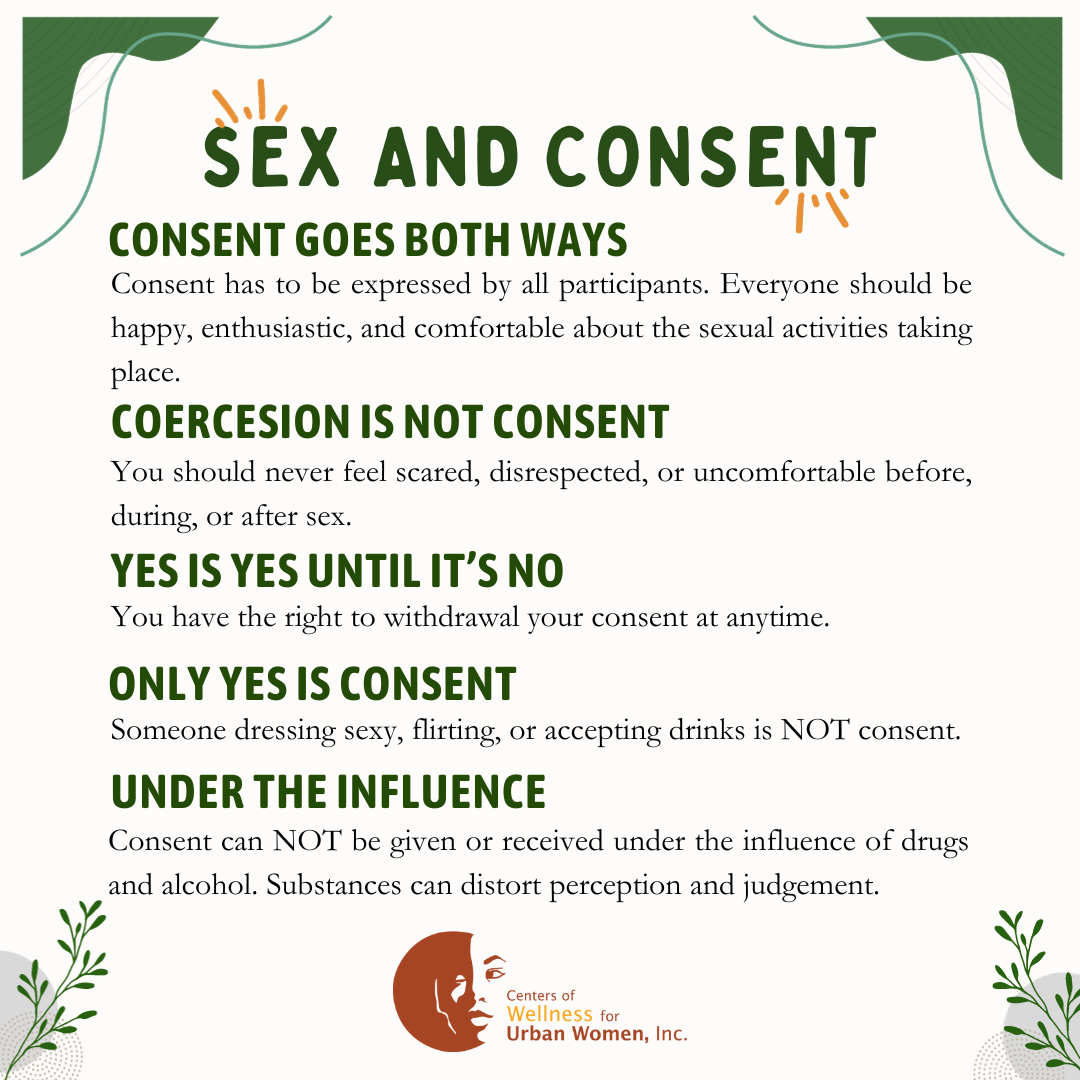
Sex and Consent
Consent is a clear and voluntary agreement from all parties involved in participating in sexual activities and it can be withdrawn at any time. If someone is under the influence of drugs or alcohol they cannot consent. Consent is not given if the individual feels pressured to engage in sexual activities.
What is Sexuality?
The way one feels and expresses themselves sexually. Sexuality is diverse and it can take time to figure out which fits you best.
What Sexuality is Not!
Sexuality is not just about sex. It encompasses one’s attractions, behavior towards others, thoughts, and sexual feelings.
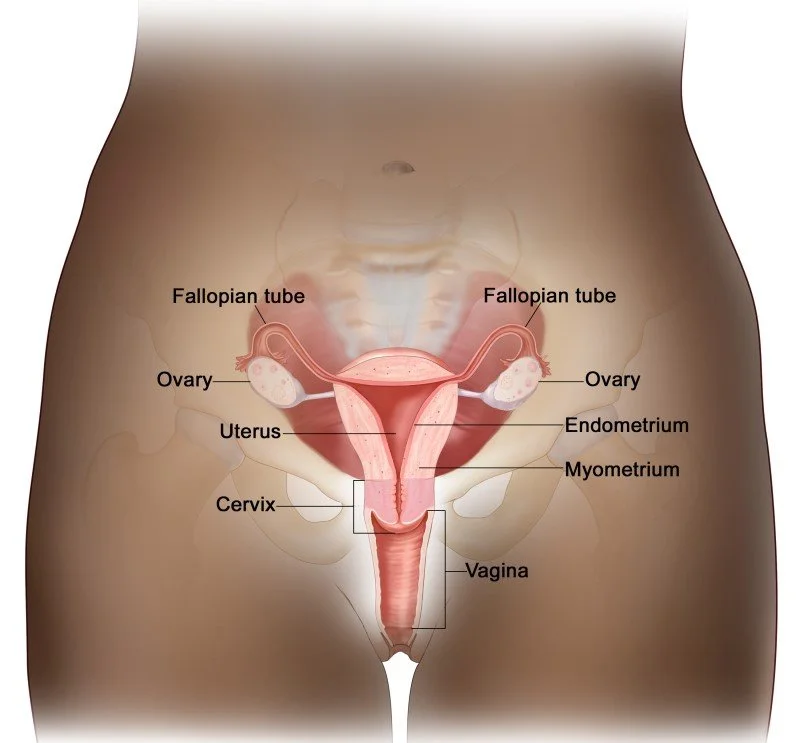
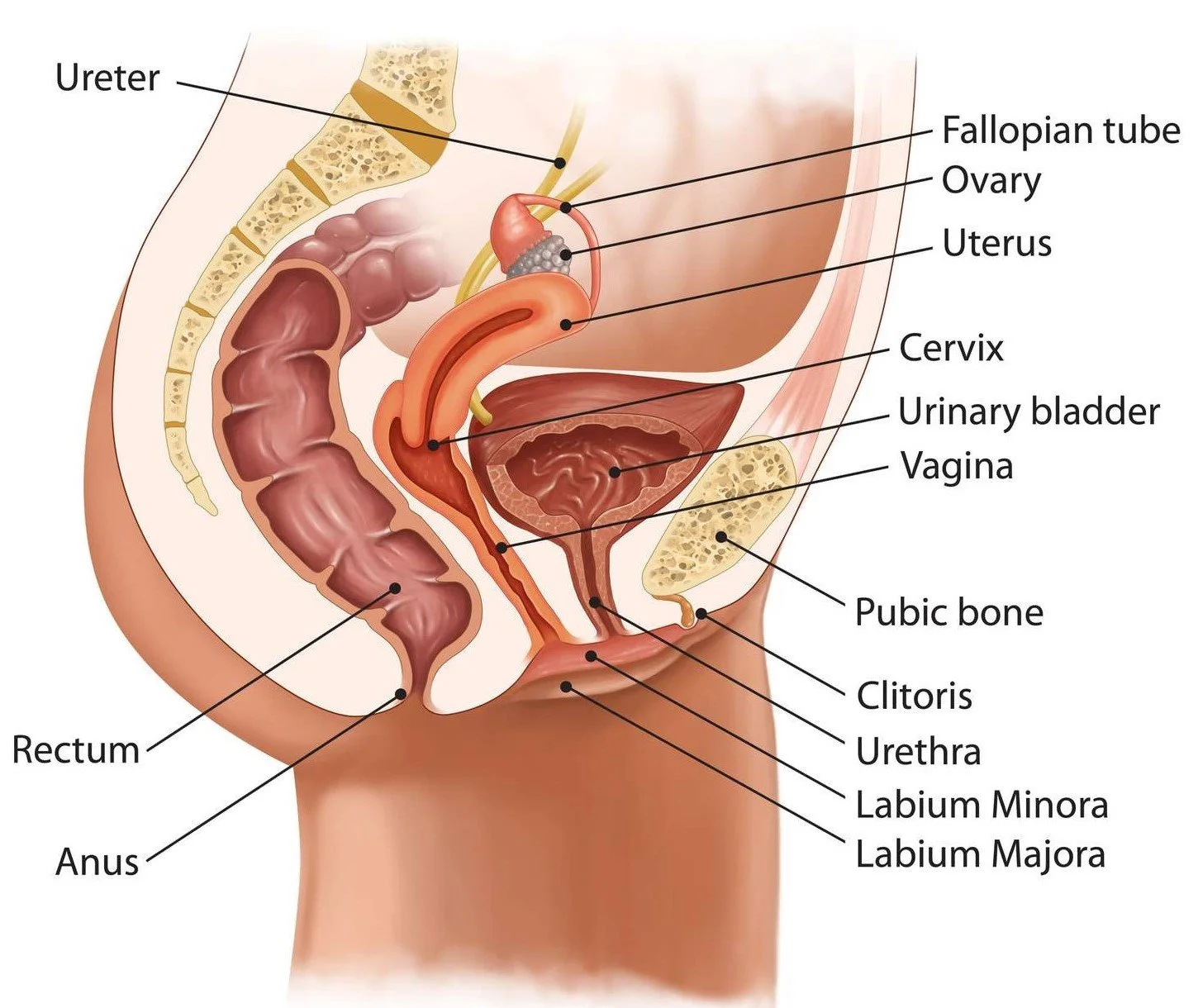
The female reproductive system includes the following organs and glands:
-
Produce female hormones: estrogen and progesterone
Produce one ripened egg (called ovum) each menstrual cycle
Each month one of the ovaries produces an egg, which develops in a small fluid-filled sac called the follicle. When the egg is mature it is released from the ovary and passes through one of the fallopian tubes.
-
Two trumpet-shaped, flexible tubes connected to the uterus, are designed with flared projections (fimbriae) to catch the egg and move it into the tube.
Egg and sperm meet in the fallopian tubes and it is here that the egg becomes fertilized and the resulting embryo is transferred to the uterus by cilia (small hairlike structures)
-
Your uterus is a pear-shaped organ that plays a critical role in menstruation, fertility, and pregnancy. It’s hollow and muscular and sits between your rectum and bladder in your pelvis.
-
The mucous membrane that lines the uterus and plays a key role in the implantation of the embryo.
The endometrium responds to the hormone progesterone, produced by the body, and must be thick and spongy to receive the embryo. If there is no implantation the lining is shed with a menstrual period.
-
A ring of tissue at the top of the vagina is designed to collect sperm (with cervical mucus), which are later released into the uterus.
Observing changes in your cervical mucus will help you determine signs of fertility
-
The vagina is a muscular canal that extends from the vulva to the neck of the uterus (cervix). The vagina is where the lining of the uterus is shed during menstruation, where penetration can occur during sex, and where a baby descends during childbirth.
Exploring Your Sexuality
Touch
All bodies are different, so figuring out what feels good to your body can take a lot of experimenting! If you’re exploring your sexuality with a partner, open-ended questions can lead to discussions about what you both enjoy and help you practice consent.
Masturbation
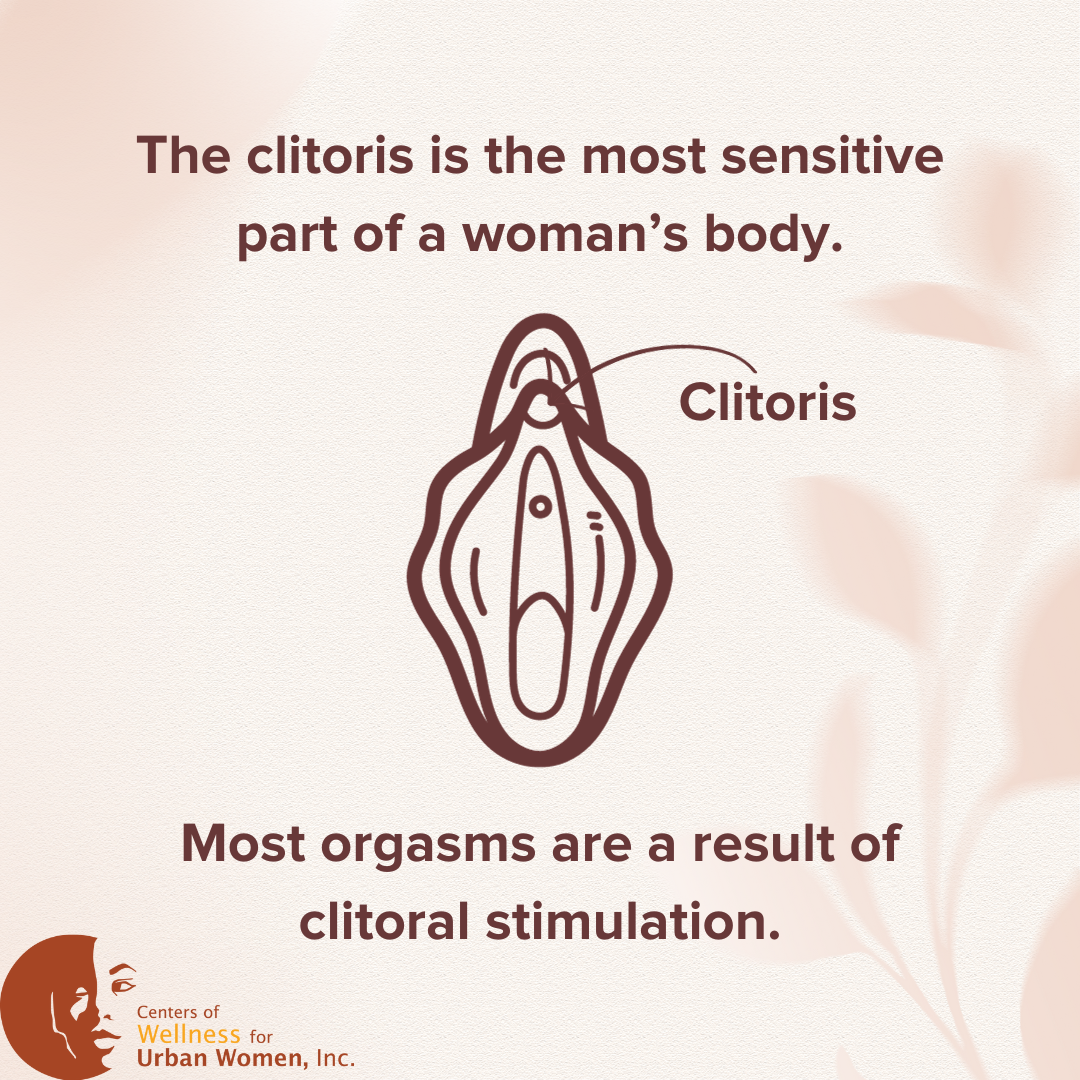
Masturbation is the act of touching and/or rubbing parts of the body such as the clitoris, breast, anus, etc. It’s a safe way for one to find out what sexually excites them and how to achieve an orgasm without fear of catching STIs.
Mutual Masturbation
Mutual masturbation is the act of consenting individuals coming together to masturbate together.
Orgasms
Orgasms are a sign of intense sexual pleasure and occur as one sexually climaxes. Orgasms can be achieved in different ways! Some of the ways include clitorial stimulation, vaginal stimulation, breast stimulation, etc.
Abstinence
The practice of not having sexual relations with others. People who participate in abstinence still may feel sexually attracted to others but do not want to engage in sexual activity.
Asexual
An individual who is not sexually attracted to other people of any gender.
Sex As You Age
As people grow older, their bodies change. These changes impact the way someone is able to engage and enjoy sexual activities. A lot of older couples find their sex life more enjoyable due to having more time, privacy, and no risk of getting pregnant. Some couples find sex is not as enjoyable due to health conditions, stress, and low self-esteem.
Alert!: Safe sex should still be practiced among older people because age doesn’t protect people from STIs.
Sexual Trauma
Sexual trauma is a result of experiencing sexual contact and/or behaviors without consent. It can lead to anxiety, depression, hypo or hypersexuality, low self-esteem, and more. It takes time to heal from sexual trauma and healing looks different for everyone.
Types of Sexual Orientation
Mutual Monogamy
The practice of two individuals agreeing to only date each other.
Polygamy
The practice of dating multiple people at the same time.
Sexuality and Mental Health
Navigating one's sexuality can be a confusing and difficult journey. The uncertainty about approaching it correctly can be unnerving. Those who have experienced sexual trauma may have challenges related to body image, depression, and struggle to have a healthy approach to sex. Individuals from religious backgrounds may also face difficulties in discovering their sexuality due to feelings of shame and fear of acceptance.
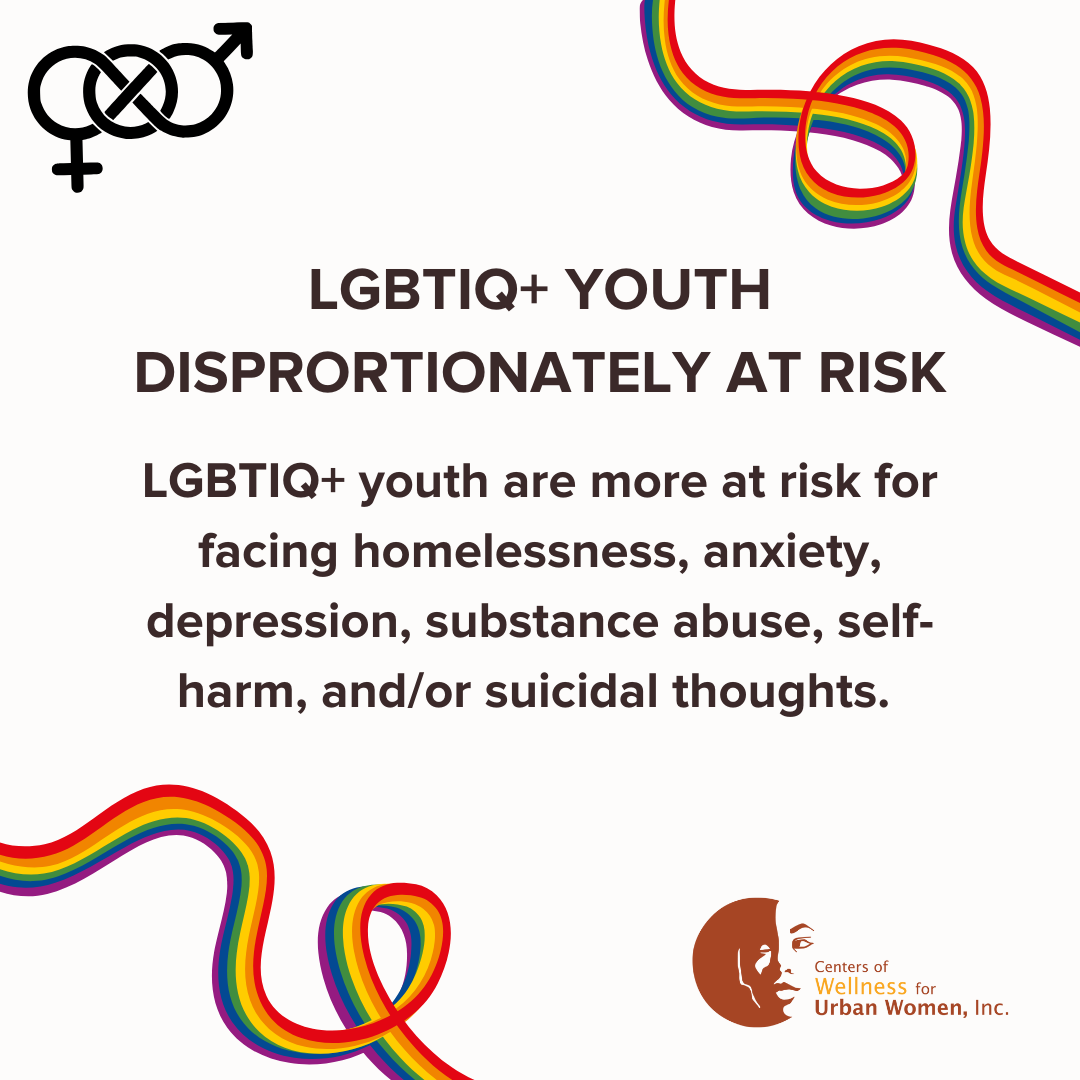
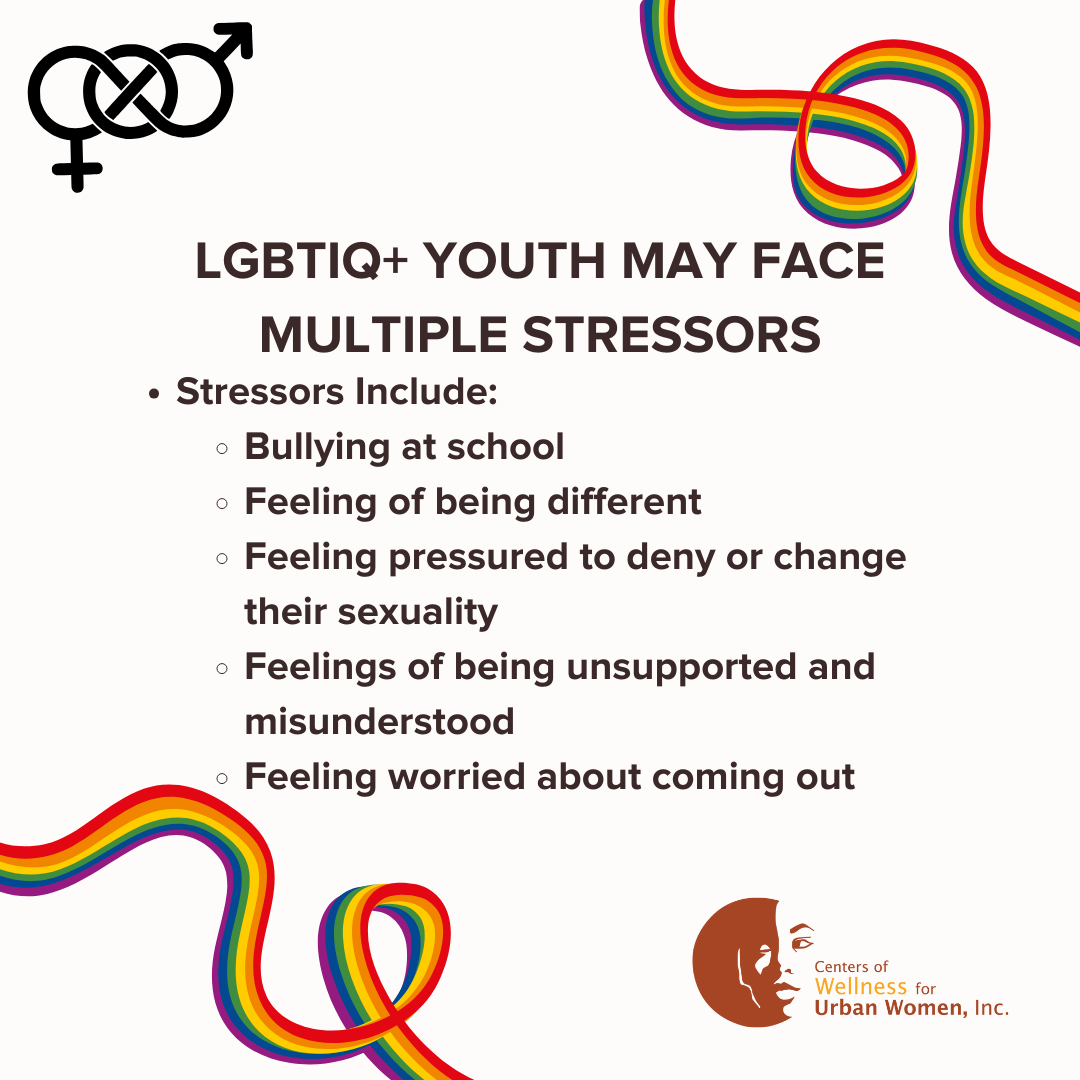
Individuals in the LGBTIQ+ community face an increased risk of anxiety, depression, substance abuse, homelessness, self-harm, and/or suicidal thoughts. The younger someone is the higher the risk as people who are trying to figure out their sexuality may face more bullying at school.
Be Aware: If you identify as something other than heterosexual do not have to “come out”.
Visit our Connection 4 Wellness page to get help finding local mental health resources.