Our bodies are constantly changing from our earliest stages to adulthood and into our golden years. Awareness helps us better understand our well-being, how to navigate through these changes, and appreciate our bodies.
PUBERTY IN ADOLESCENT GIRLS
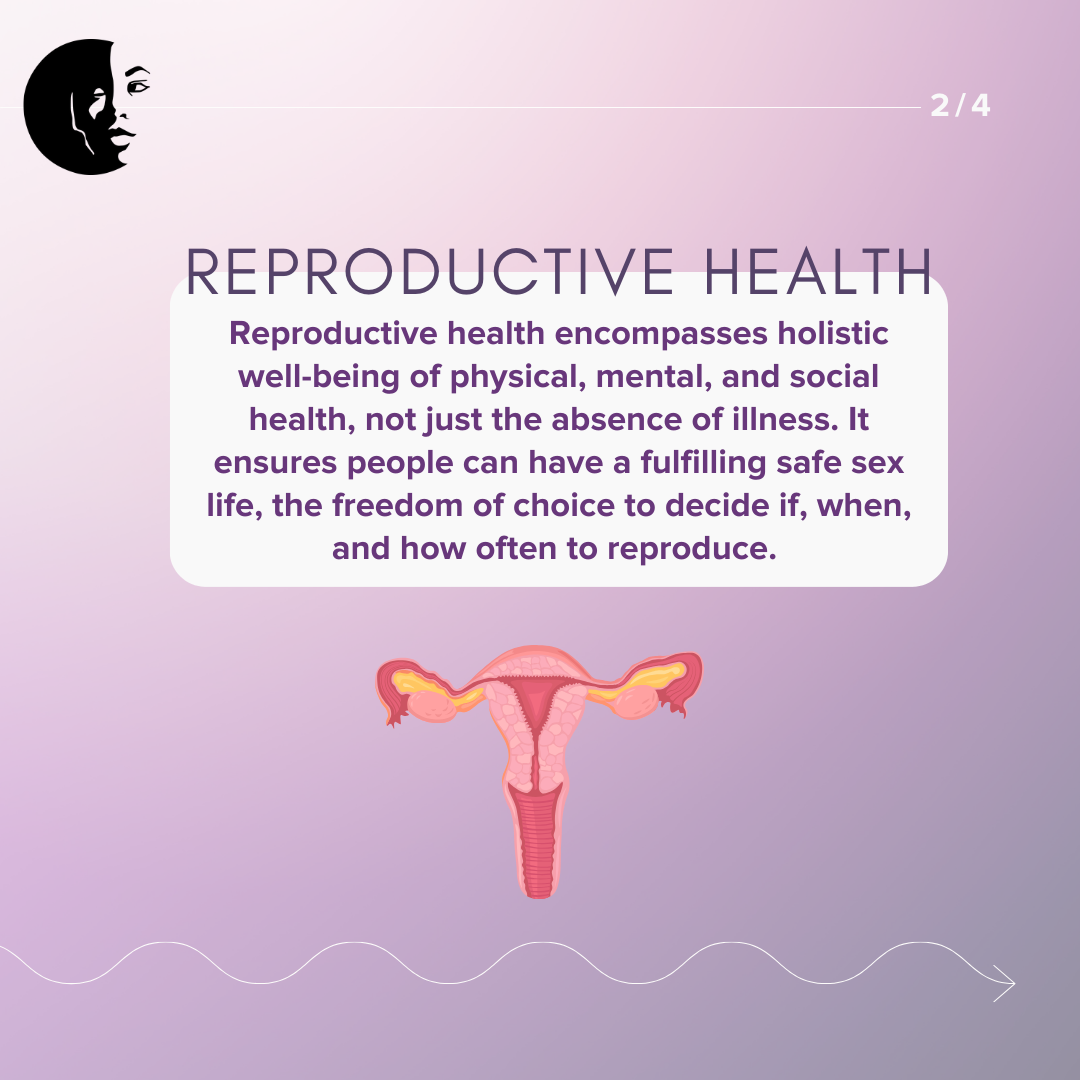
Puberty starts when the pituitary gland releases hormones that target the ovaries, so they can create estrogen. In turn, girls start their period and they’re able to get pregnant.
Physical Changes
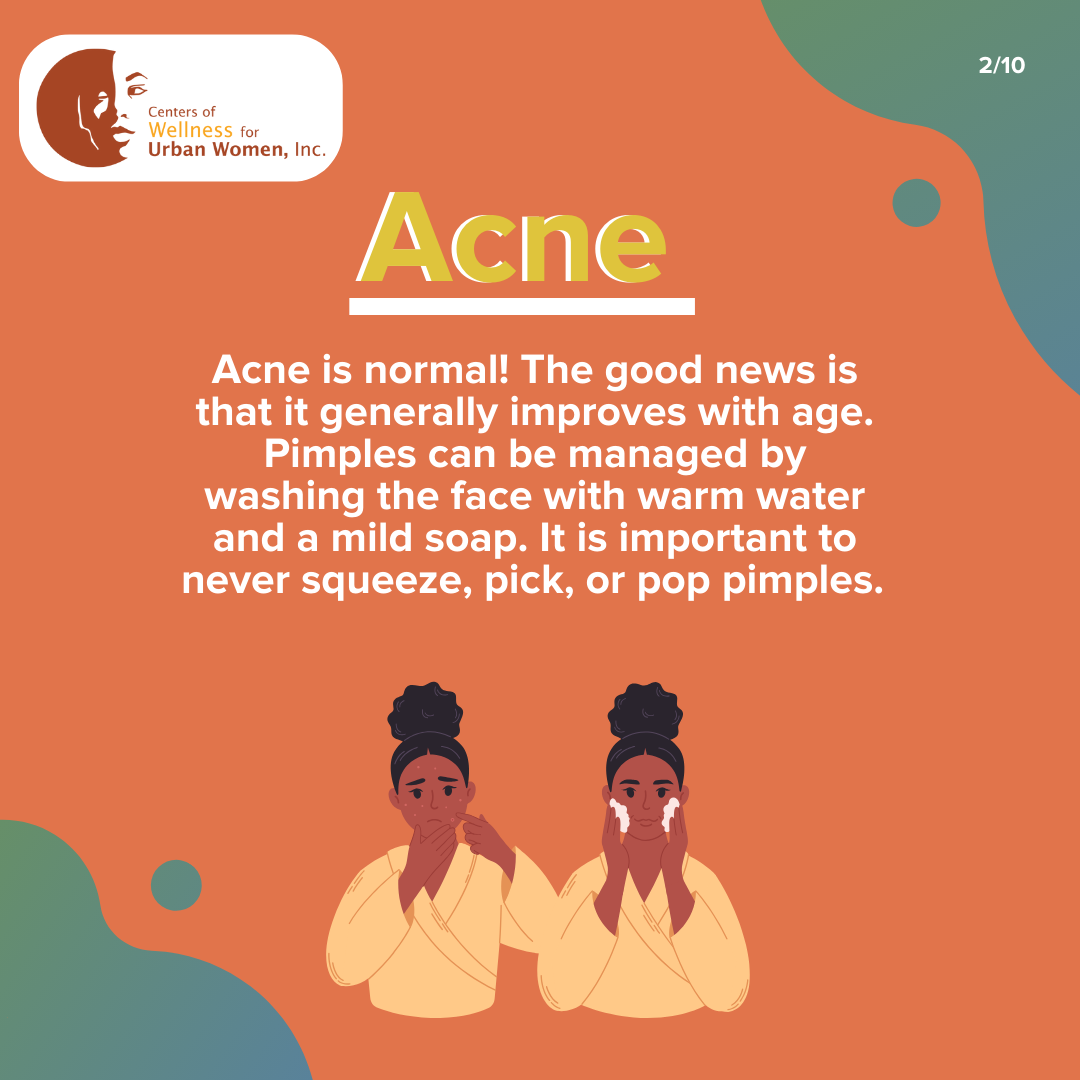
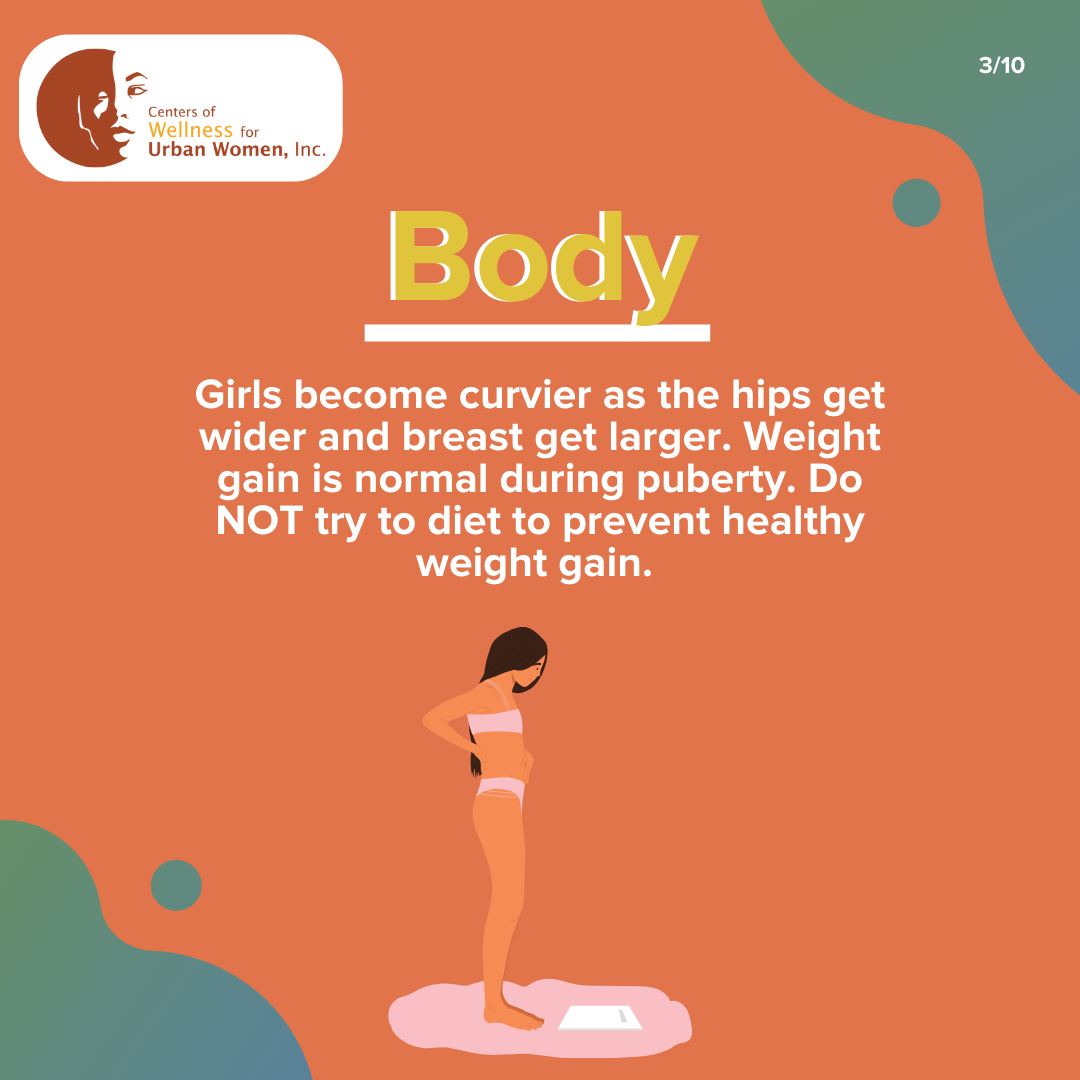
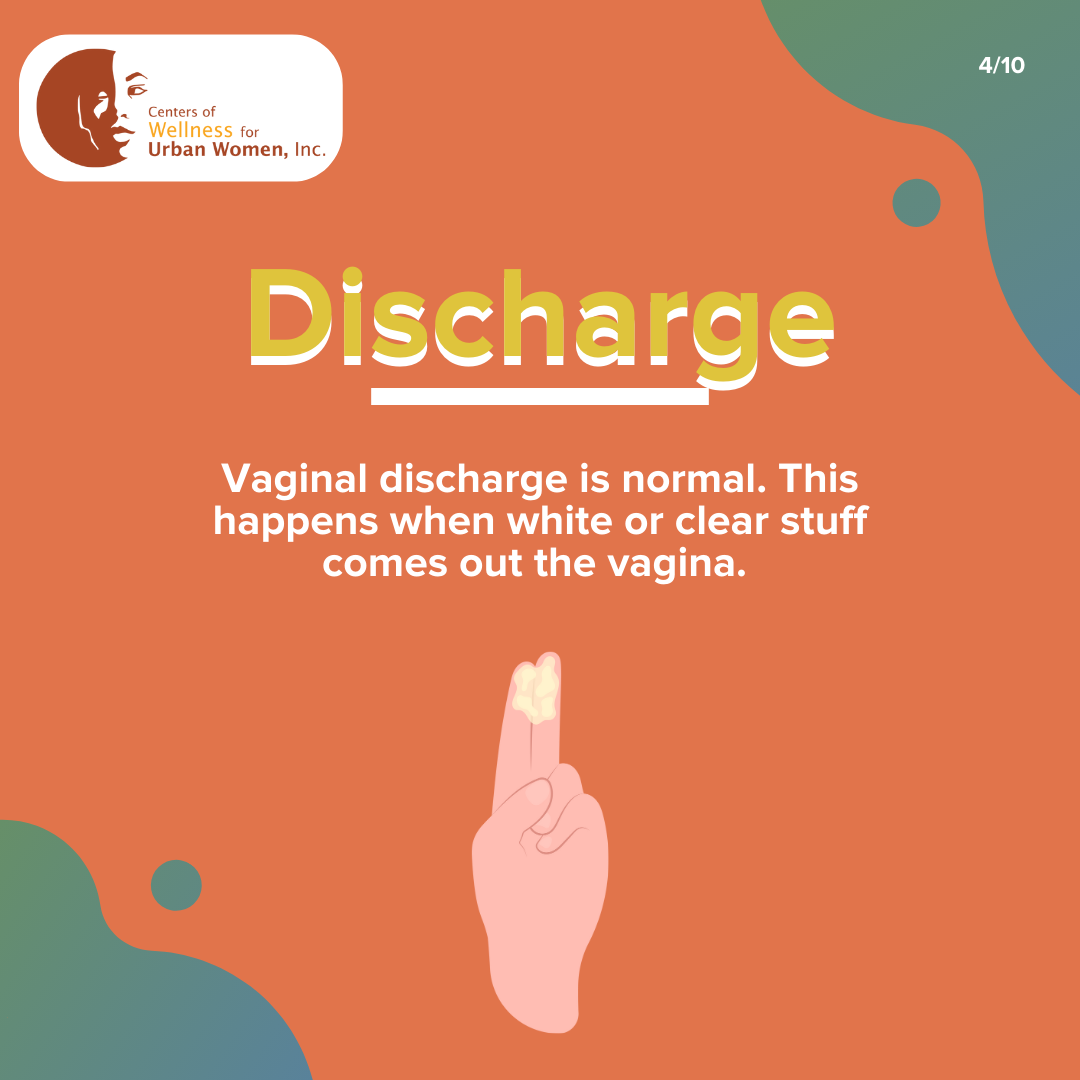
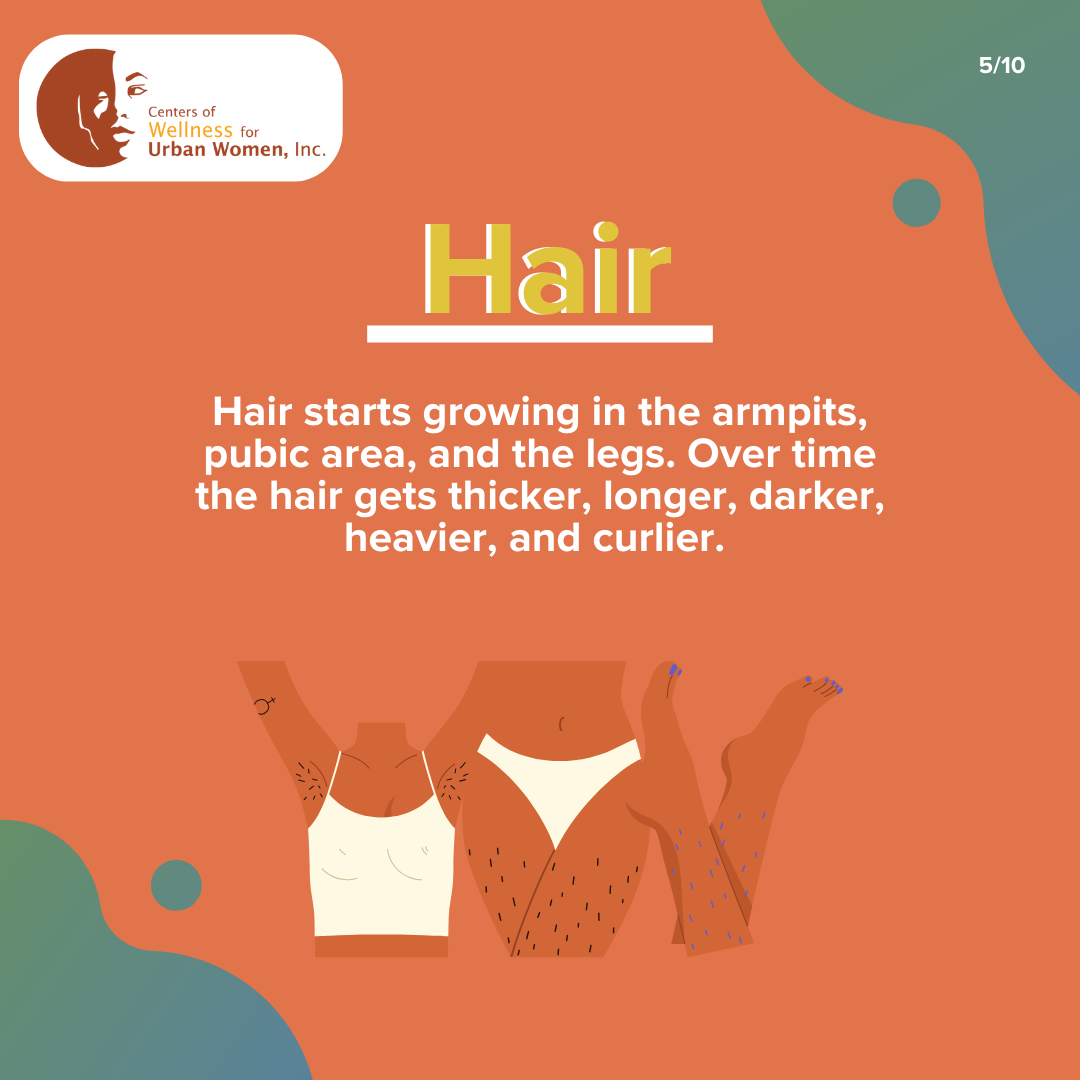
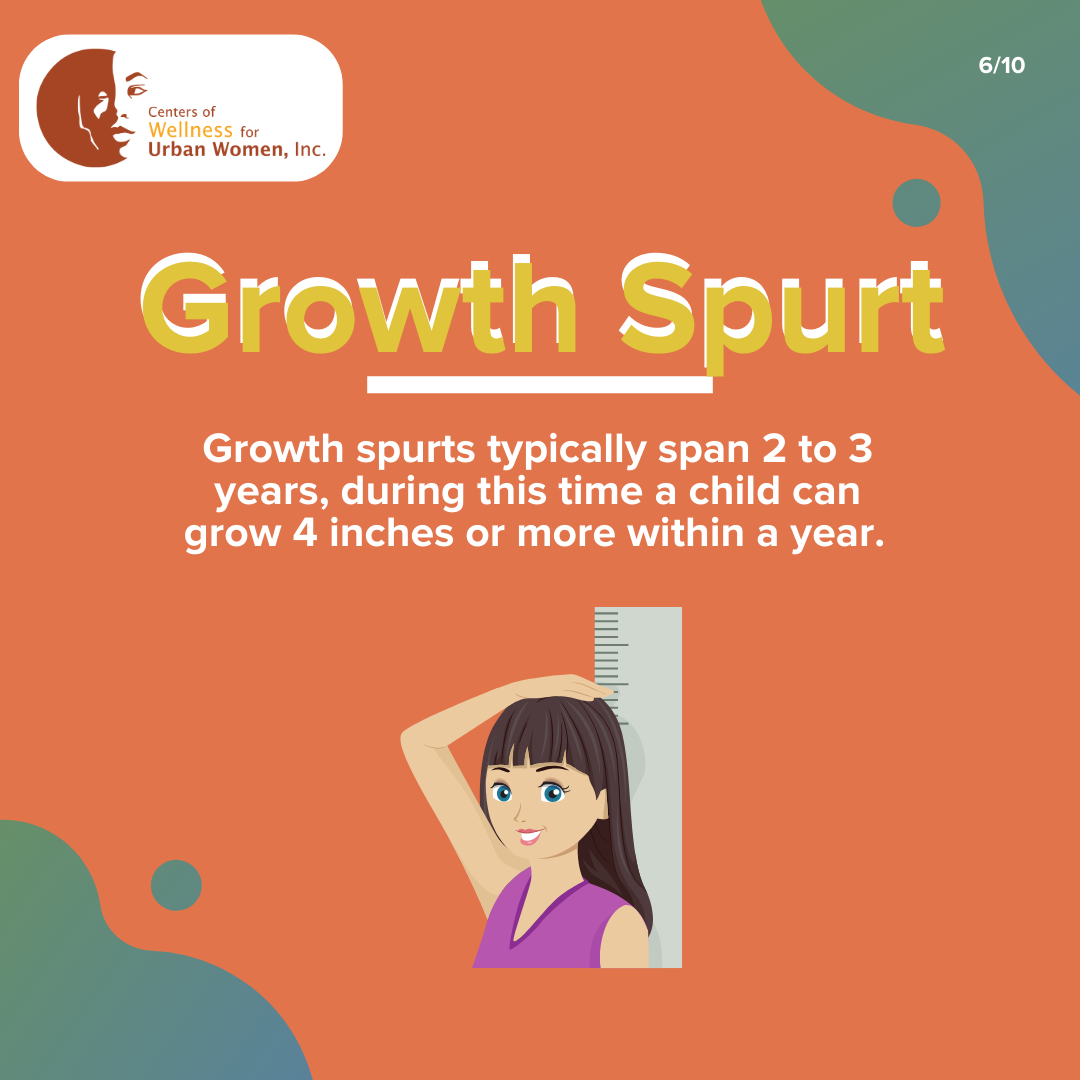
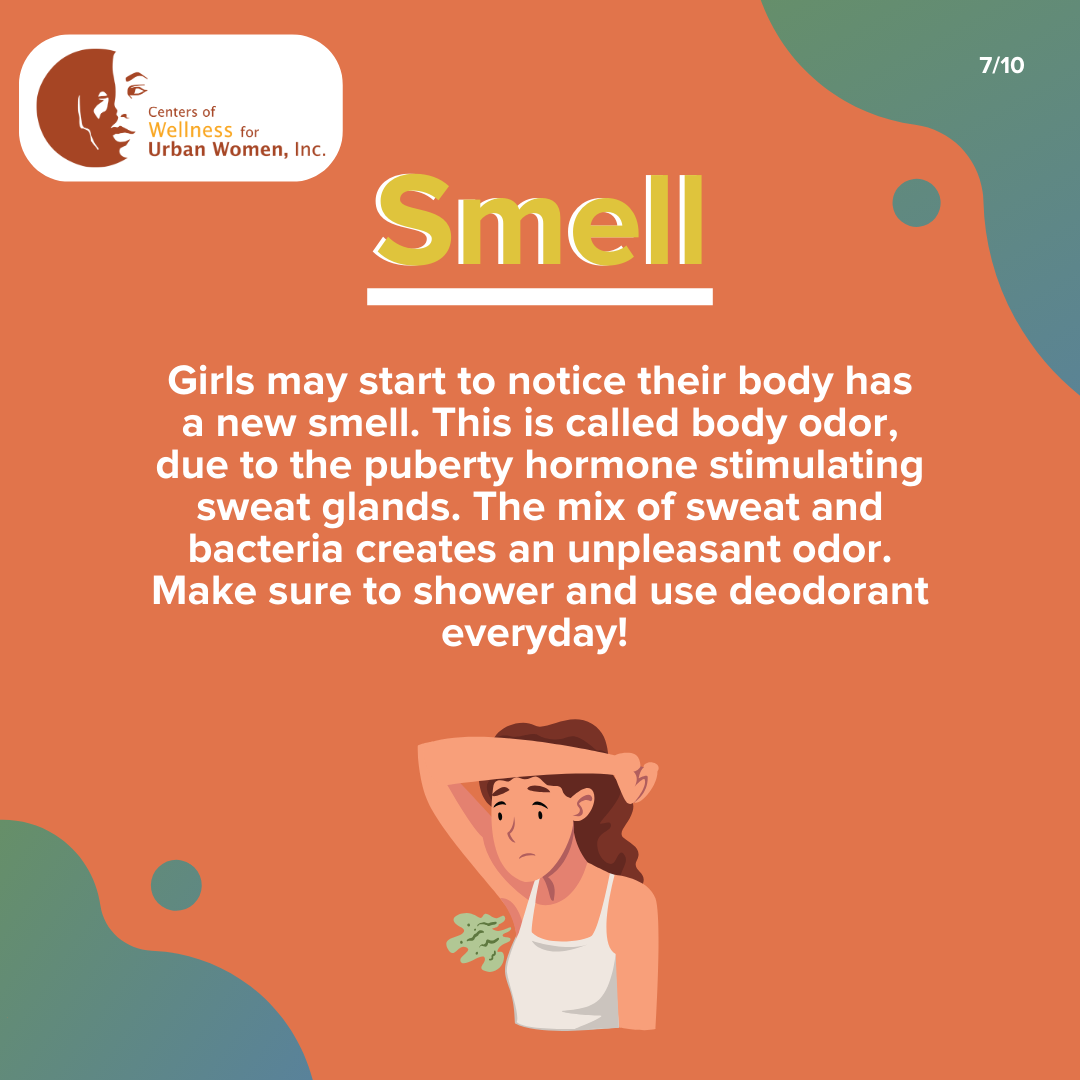
Many bodily changes occur during puberty such as acne, bodily hair growth, body odor, discharge, etc.
Physiological Changes
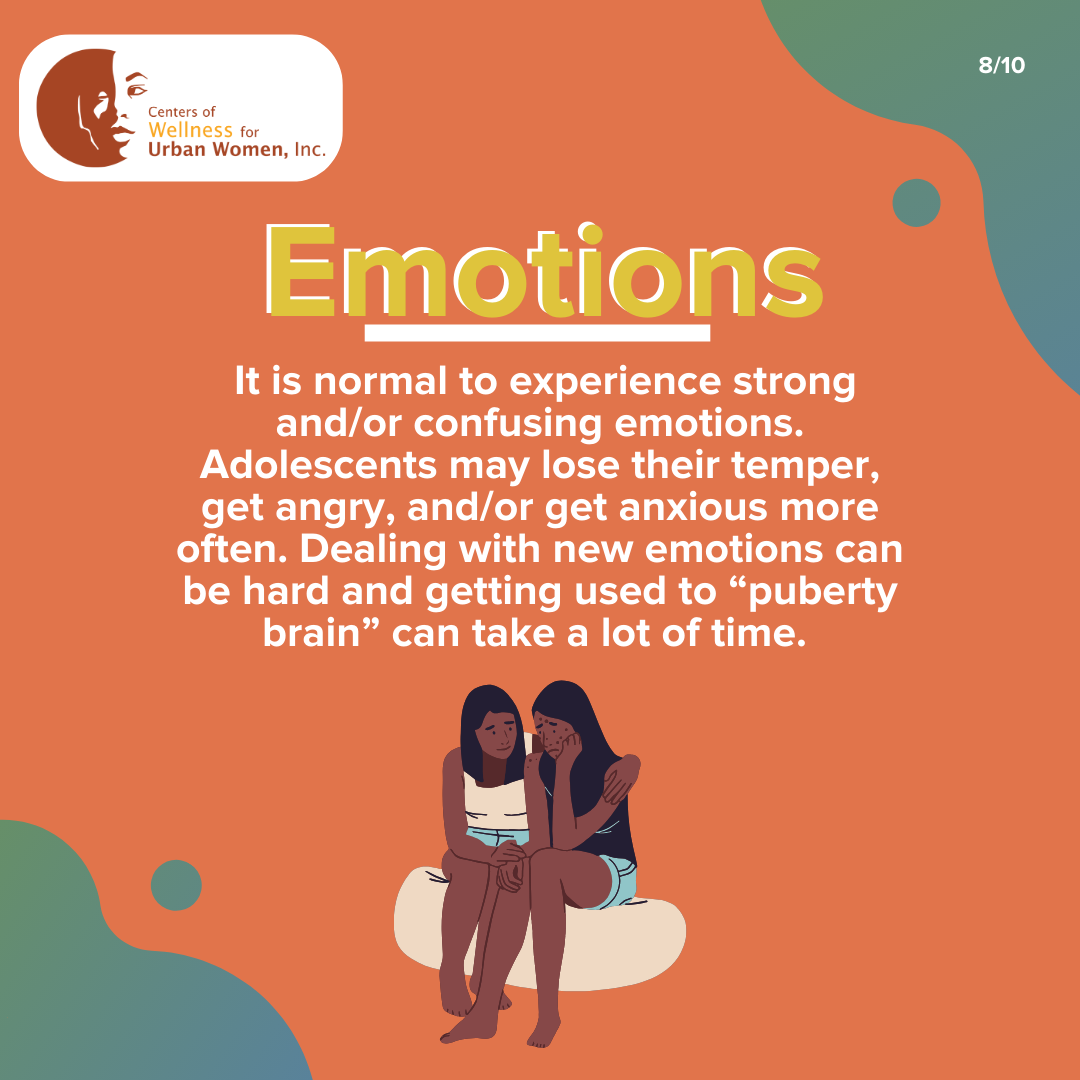
Puberty hormones create changes in the brain too. Adolescents deal with strong and confusing emotions as they navigate new feelings.
How to Aid Your Child in Adolescence
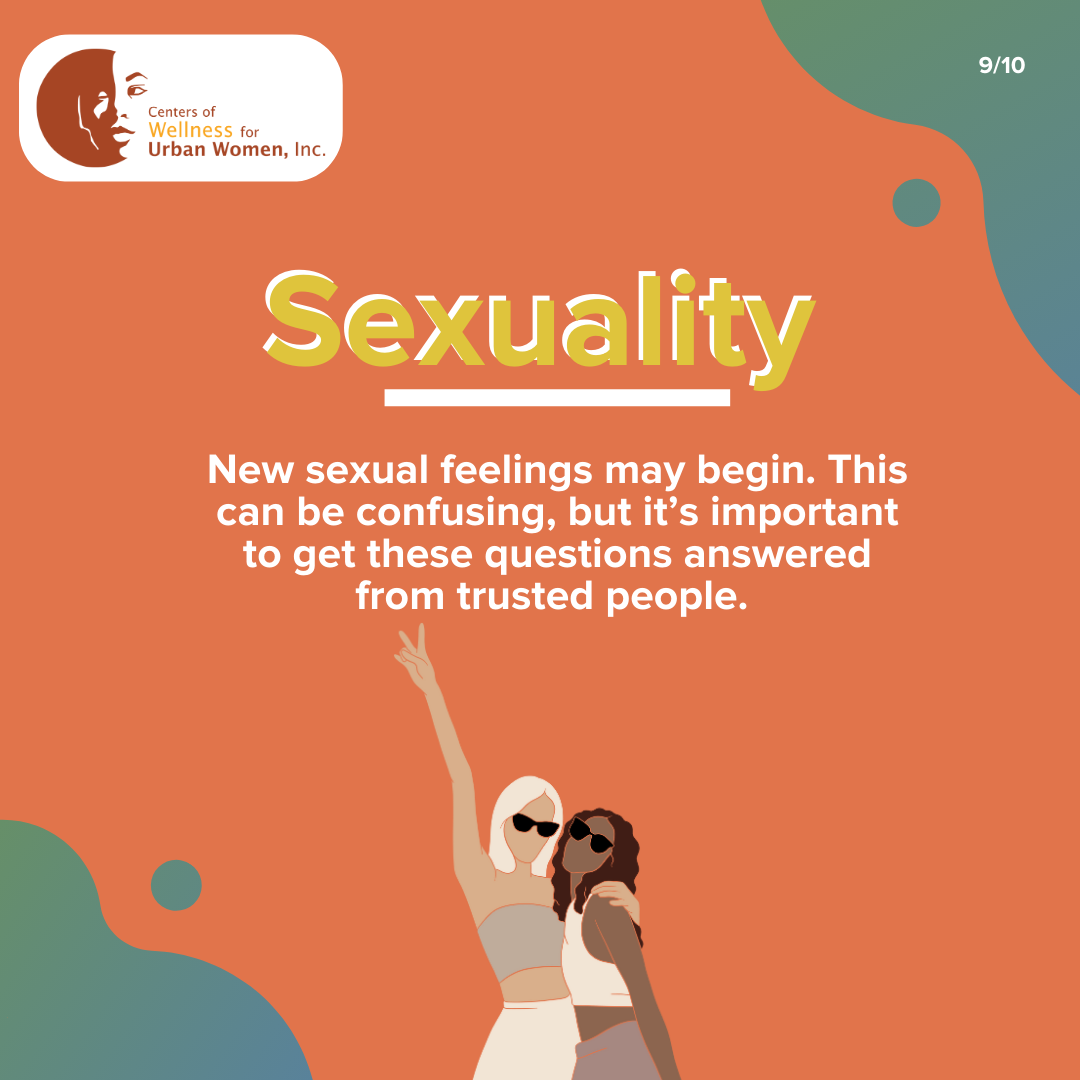
Parents should educate their children about puberty to prepare them for the changes ahead. This can help reduce anxiety, strengthen communication, and prevent misinformation.

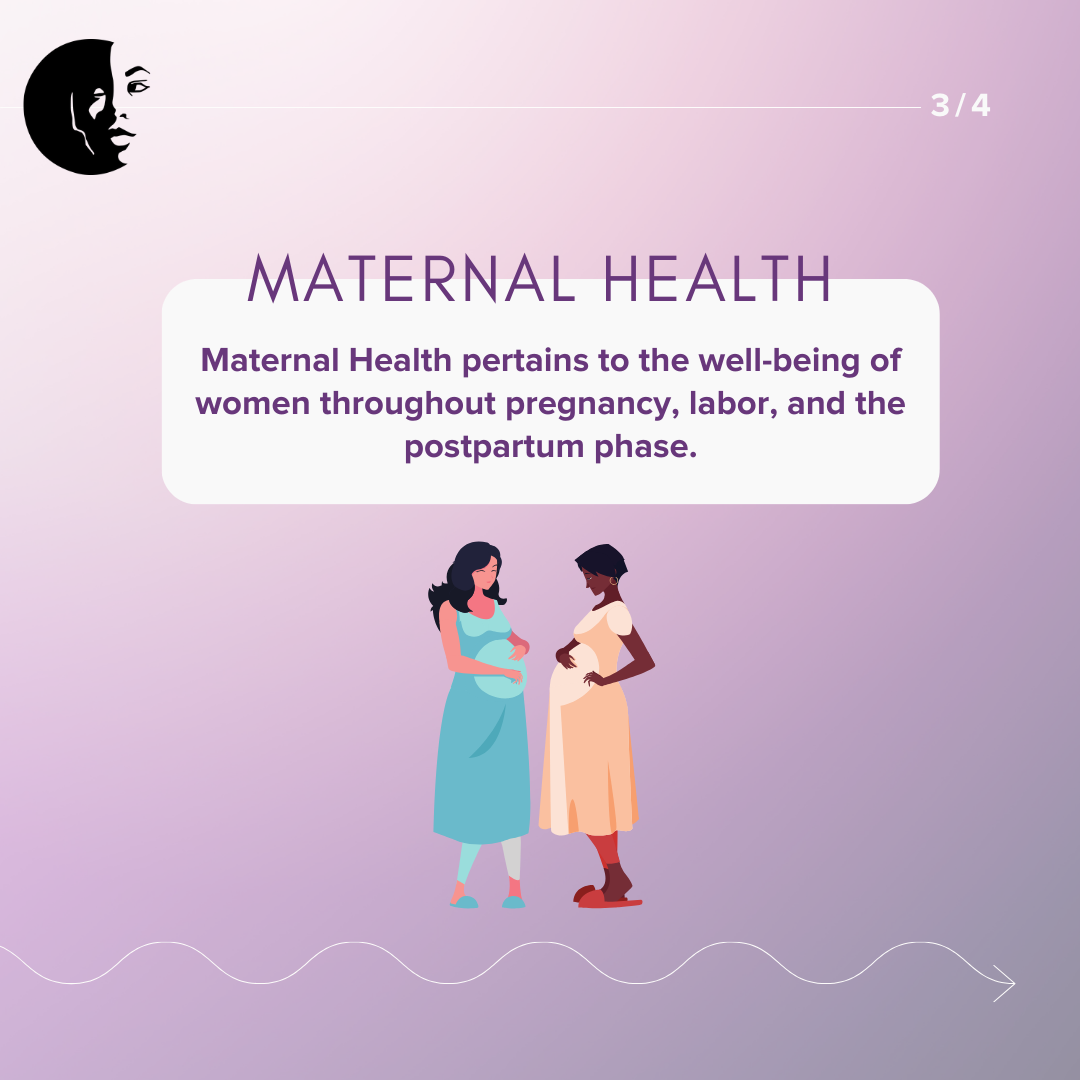
childbirth
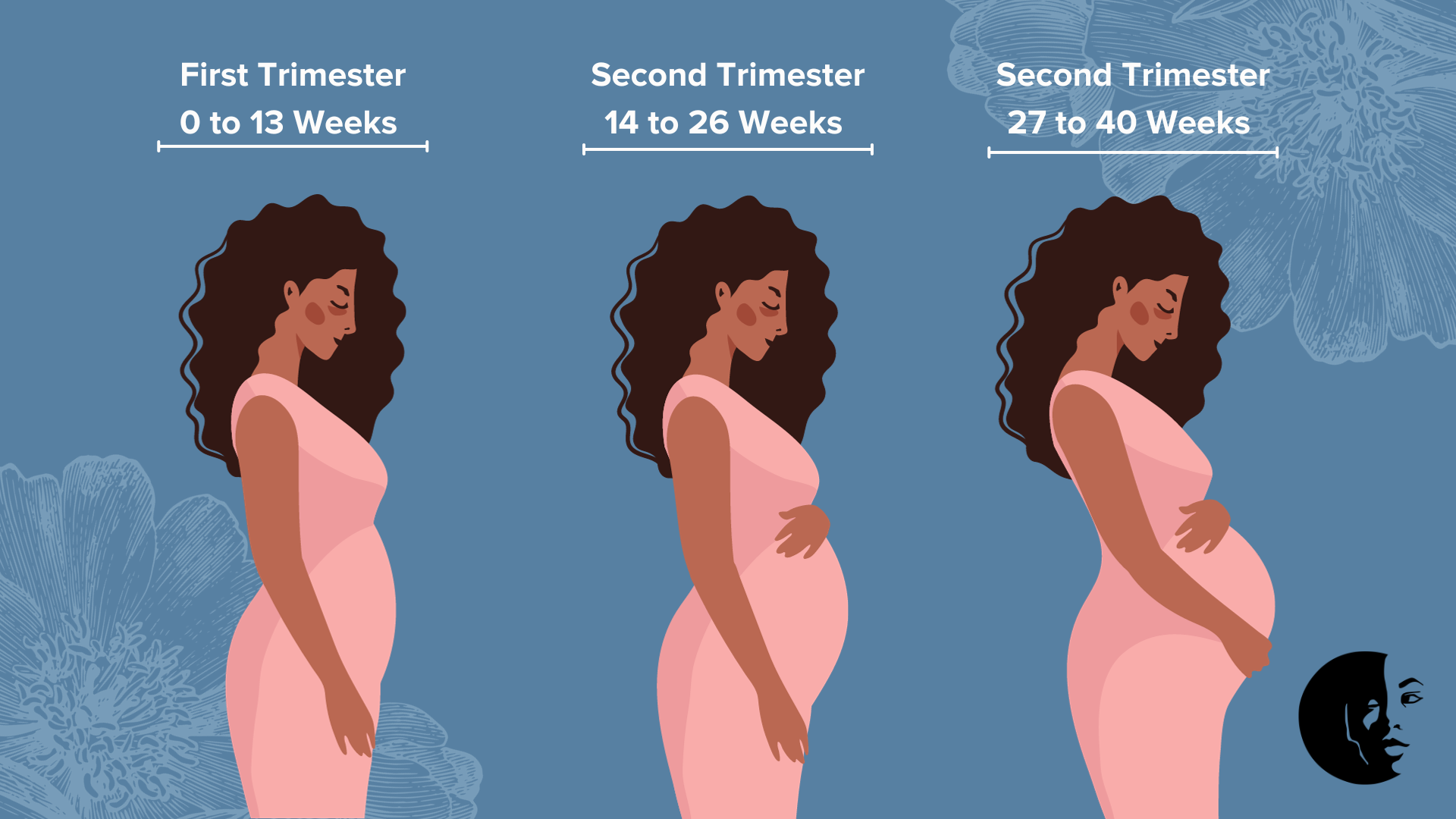
First Trimester
The first trimester of pregnancy occurs from conception to 12 weeks of pregnancy. It is important to have a healthy first trimester, so the fetus can properly develop. This is when the fetus starts to develop all major body organs and systems.
Second Trimester
The second trimester of pregnancy occurs from 13 weeks to 27 weeks of pregnancy. During this stage, the fetus has developed all its organs and systems and begins to grow in length and weight.
Third Trimester
The third trimester of pregnancy occurs 28 weeks to 40 weeks of pregnancy. The fetus is still growing in length and weight as the body systems finish forming.
menopause
Perimenopause
During perimenopause, the ovaries gradually stop their normal function.
Menopause
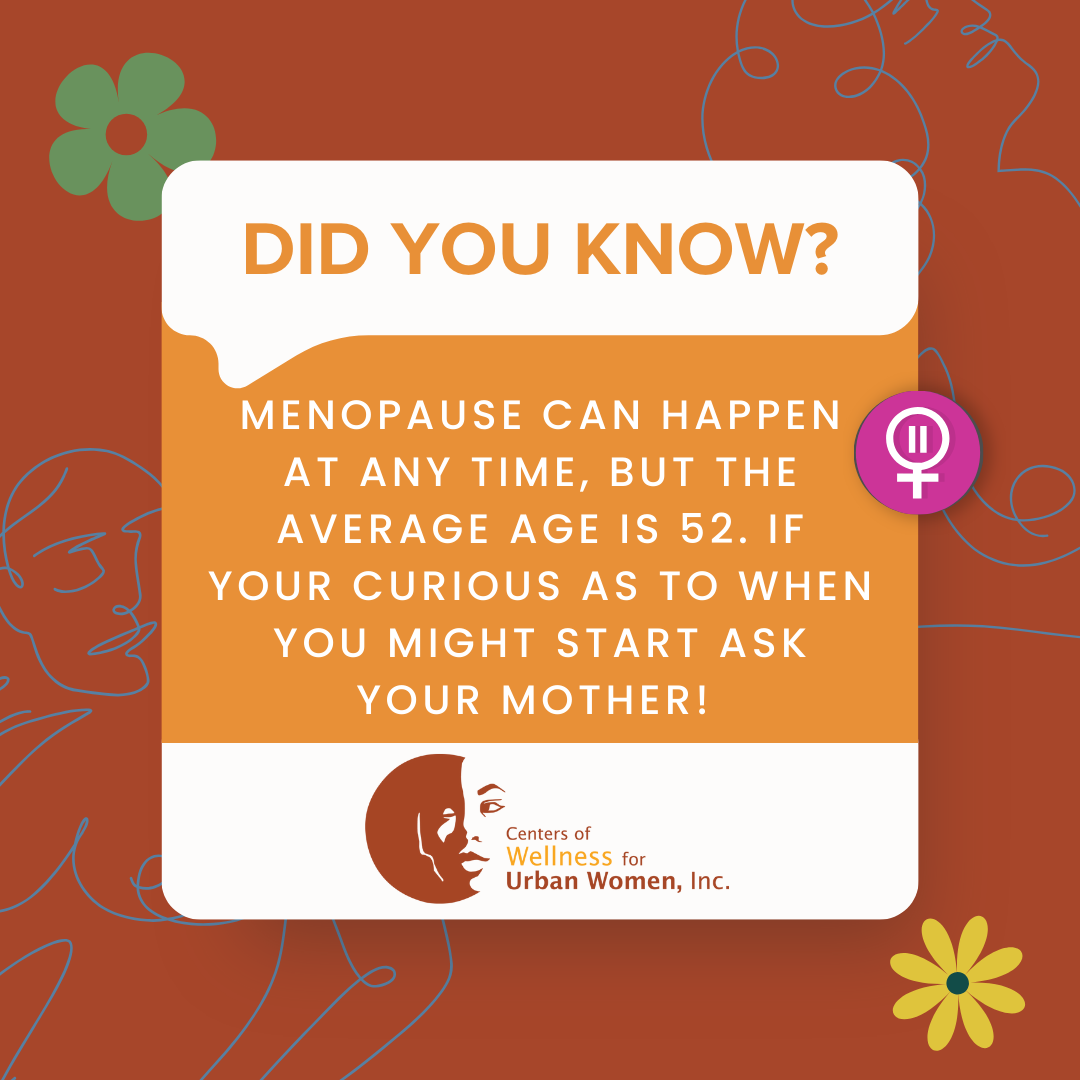
Menopause occurs when the ovaries completely stop working. It can happen with older age or a hysterectomy. They don’t release eggs anymore and pregnancy becomes impossible.
Postmenopause
Postmenopause marks the end of menopause and lasts until the end of life. During this time, the risk of developing heart disease and osteoporosis increases.